
Molly Chamness
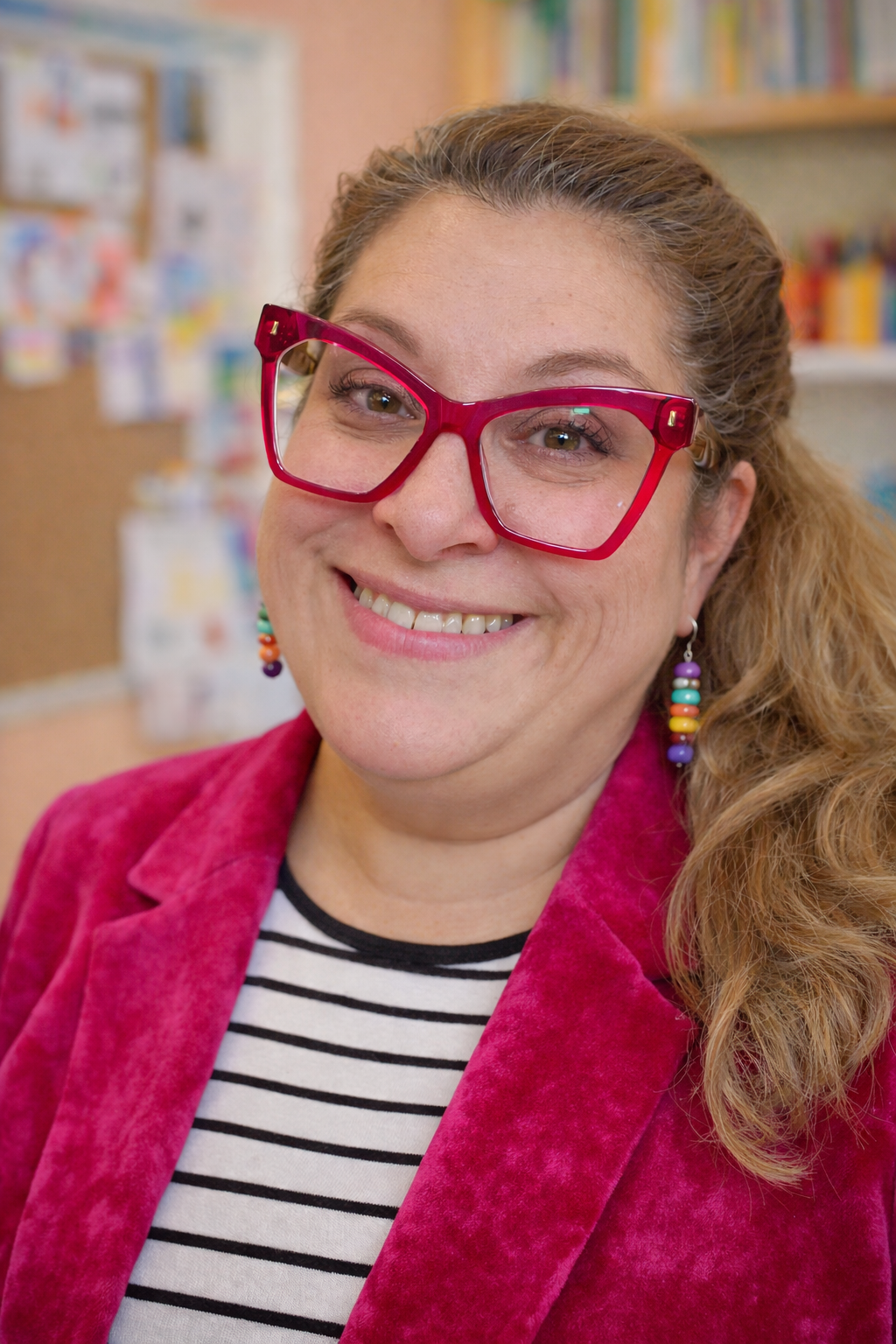
Molly is a North Carolina-based ceramic artist specializing in functional pottery with a focus on sgraffito surface design. After returning to clay following a 20-year break, Chamness has spent the past several years fully immersed in the studio, trying to refine her voice through hand-built and wheel-thrown forms. Chamness’ work is rooted in the intersection of utility and visual storytelling. Using the sgraffito technique, the artist enjoys carving intricate, illustrative designs into leather-hard clay and enhancing them with bold, layered glaze work that emphasizes contrast, texture, and movement. Each piece is designed to be both functional and expressive, inviting daily use while carrying a strong sense of narrative surface design.
With a Bachelor of Fine Arts in Ceramics and a background in art education, Chamness brings a strong foundation in material exploration, visual literacy, and craftsmanship to her practice. She is currently based in Morganton, NC, where she works from a shared studio and participates in regional markets.
The Story Behind The Work
“My work is grounded in the belief that functional objects can carry emotional weight, narrative detail, and visual complexity. I use clay as a surface for storytelling—building forms that are meant to be held, used, and lived with, while also offering moments of discovery through carved imagery and layered glaze.
Sgraffito is central to my process. I work directly into leather-hard clay, carving drawings that respond to the form itself. The act of removing clay becomes a way of revealing pattern, movement, and contrast, which is then heightened through bold glaze application. I’m drawn to the tension between control and spontaneity—between the permanence of carving and the unpredictability of glaze.
My background in painting and printmaking continues to deeply inform this work. Sgraffito allows me to translate those disciplines onto clay surfaces in much the same way I would work on paper—building composition through line, layering, contrast, and negative space. Clay has become an extension of that visual language, shifting my two-dimensional instincts into a tactile, three-dimensional form.
Ultimately, my goal is to create work that feels accessible and grounded in function, while still offering depth, curiosity, and a sense of visual narrative.”